

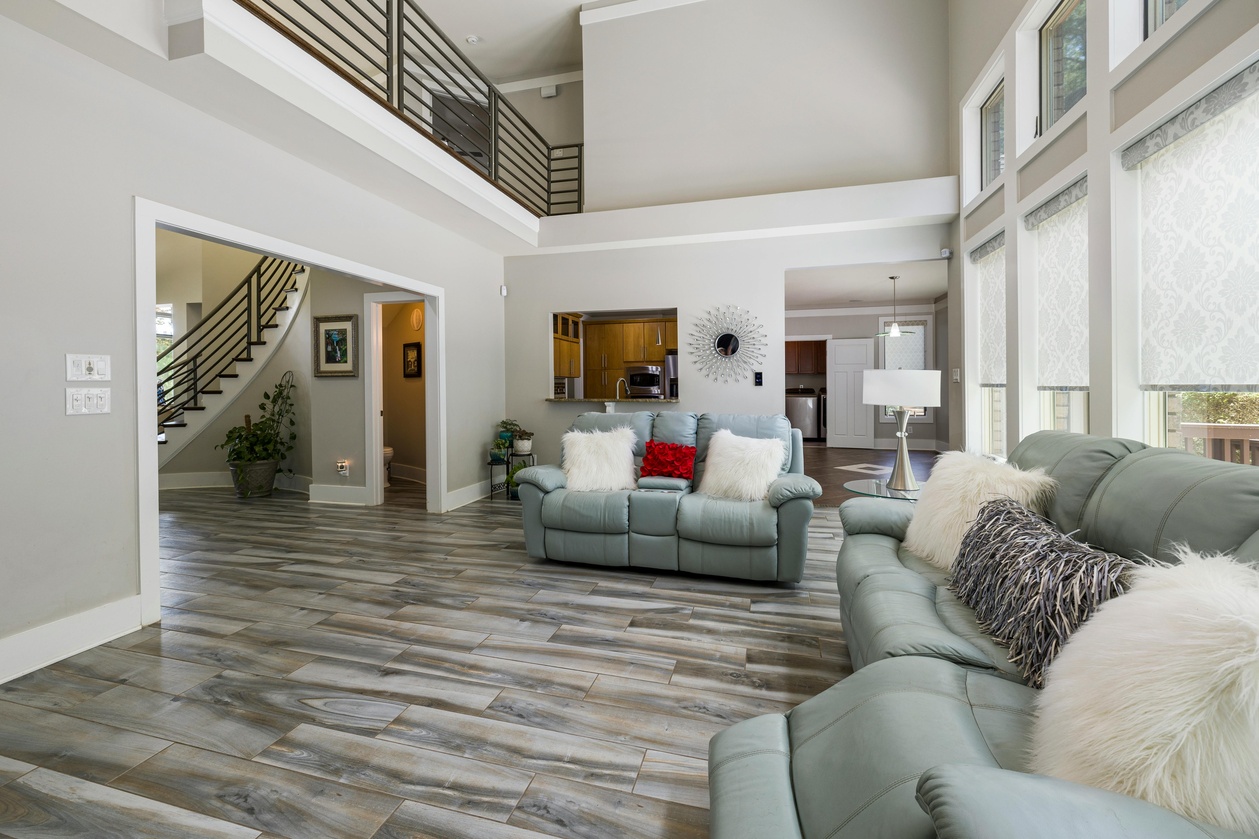
Laminate flooring is one of the most popular choices for busy homes because it is durable, stylish, and easier to maintain than many other flooring options. Homeowners throughout Cincinnati, Montgomery, Mason, Loveland, and beyond often choose laminate flooring because it handles everyday life well. Still, even a durable floor can run into problems under the wrong conditions.
If laminate flooring starts lifting, swelling, separating, or feeling uneven, buckling or warping is usually the cause. These issues do not happen randomly. In most cases, moisture exposure, installation mistakes, or humidity changes inside the home are responsible.
At Bush's Flooring Center, homeowners have trusted the team for decades because they focus on helping customers choose flooring that performs well long after installation. Since 1987, this family-owned flooring store has helped homeowners across the Cincinnati area understand how to protect and maintain their flooring investment.
What does it mean when laminate flooring buckles?
Buckling occurs when sections of laminate flooring begin lifting away from the subfloor. Sometimes the planks arch upward dramatically, while other times the damage appears as raised seams or uneven areas between boards.
Warping is slightly different, but the two issues are closely connected. Warped laminate flooring may appear swollen, curled, or distorted after exposure to moisture or excessive humidity.
Laminate flooring is designed as a floating floor system. The planks naturally expand and contract as indoor temperature and humidity levels change. When the flooring cannot move properly, pressure builds beneath the surface and forces sections of the floor upward.
Can moisture cause laminate flooring to warp?
Yes, moisture is the most common cause of laminate flooring damage.
Even water-resistant laminate flooring has limits. If water sits on the surface too long, it can seep into the seams between planks and reach the core material beneath the protective surface layer. Once the core absorbs moisture, swelling usually follows.
Common sources of moisture include:
Plumbing leaks
Wet mopping
Pet accidents
Dishwasher leaks
Basement moisture
Appliance leaks
High indoor humidity
Water tracked in from outside
Laminate flooring contains a dense fiberboard core that absorbs moisture more easily than the surface layer. Once the core expands, the planks often lose their shape permanently.
This is especially important in Ohio homes, where humidity levels change significantly throughout the year. Summer humidity and winter heating systems can place constant stress on flooring materials.
Why does poor laminate flooring installation lead to buckling?
Installation mistakes are another major reason laminate flooring buckles or warps.
Laminate flooring requires expansion gaps around walls, cabinets, doorways, and other fixed surfaces. These small gaps allow the flooring to move naturally as humidity levels change. Without enough room to expand, pressure builds beneath the floor.
Eventually, sections of the flooring begin lifting upward.
Several installation problems can contribute to laminate flooring damage, including:
Missing expansion gaps
Uneven subfloors
Incorrect underlayment
Flooring is installed too tightly
Flooring trapped beneath cabinets
Poor acclimation before installation
Acclimation is especially important because laminate flooring needs time to adjust to indoor temperature and humidity levels before installation begins. Skipping this step increases the likelihood of future movement problems.
Our experienced team works closely with homeowners to help ensure flooring products are installed correctly from the start.
How does humidity affect laminate flooring?
Humidity changes can affect laminate flooring more than many homeowners expect.
When humidity levels rise, laminate planks absorb moisture from the air and expand slightly. During dry conditions, the planks may shrink. Repeated expansion and contraction can weaken the locking system over time.
Homeowners may notice warning signs such as:
Raised seams
Seasonal gaps
Peaking between planks
Uneven plank edges
Soft or spongy areas
Minor lifting near walls
Maintaining stable indoor humidity levels can help reduce stress on laminate flooring. Many flooring professionals recommend keeping indoor humidity between 35% and 55%.
Can heavy furniture contribute to laminate flooring problems?
Heavy furniture can sometimes worsen existing flooring issues.
Because laminate flooring floats above the subfloor, it needs room to move naturally.
Large furniture pieces or heavy appliances can pin sections of the flooring in place. When the floor expands during humid conditions, pressure may build in nearby areas.
This pressure can eventually lead to buckling or plank separation.
Common trouble spots include:
Kitchen islands
Heavy appliances
Large entertainment centers
Oversized furniture pieces
Furniture alone usually does not cause laminate flooring to warp, but it can make moisture or installation problems more noticeable.
What warning signs should homeowners watch for on their flooring?
Small flooring problems often become much larger issues if they are ignored for too long.
Watch for signs like:
Raised plank edges
Bubbling or swelling
Gaps between planks
Soft areas underfoot
Squeaking sounds
Lifting corners
Uneven flooring sections
Planks separating at the seams
Identifying problems early may help limit repairs and prevent widespread flooring damage.
Can warped laminate flooring be repaired?
The severity of the damage usually determines whether repairs are possible.
Minor buckling caused by humidity or pressure may improve after the underlying issue is corrected. Reducing humidity levels or relieving pressure around walls can sometimes allow sections of flooring to settle back into place.
Water damage is often more difficult to repair. Once laminate flooring swells significantly, replacement is usually necessary.
One benefit of laminate flooring is that individual planks can sometimes be replaced instead of removing the entire floor. However, matching older flooring styles can become difficult if the original product is no longer available.
How can homeowners prevent laminate flooring from buckling?
Preventing laminate flooring problems starts with proper installation and routine maintenance.
Homeowners can help protect their floors by following these practices:
Clean spills immediately
Avoid excessive water while cleaning
Use manufacturer-approved cleaning products
Maintain steady indoor humidity
Install proper underlayment
Ensure subfloors are dry and level
Allow flooring to acclimate properly
Leave adequate expansion gaps
Work with professional installers
Many laminate flooring problems begin long before visible damage appears. Moisture issues, rushed installation, and poor preparation can all shorten the lifespan of the floor.
Your experts on laminate flooring in Cincinnati, OH
At Bush's Flooring Center, people can explore high-quality laminate flooring options while working with an experienced team that understands proper flooring installation and long-term performance. Whether you are replacing damaged floors or planning a new flooring project, professional guidance can help you choose flooring built to last. Our flooring store in Cincinnati, OH, serves Cincinnati, Montgomery, Mason, and Loveland, OH. Get in touch with us today!


