

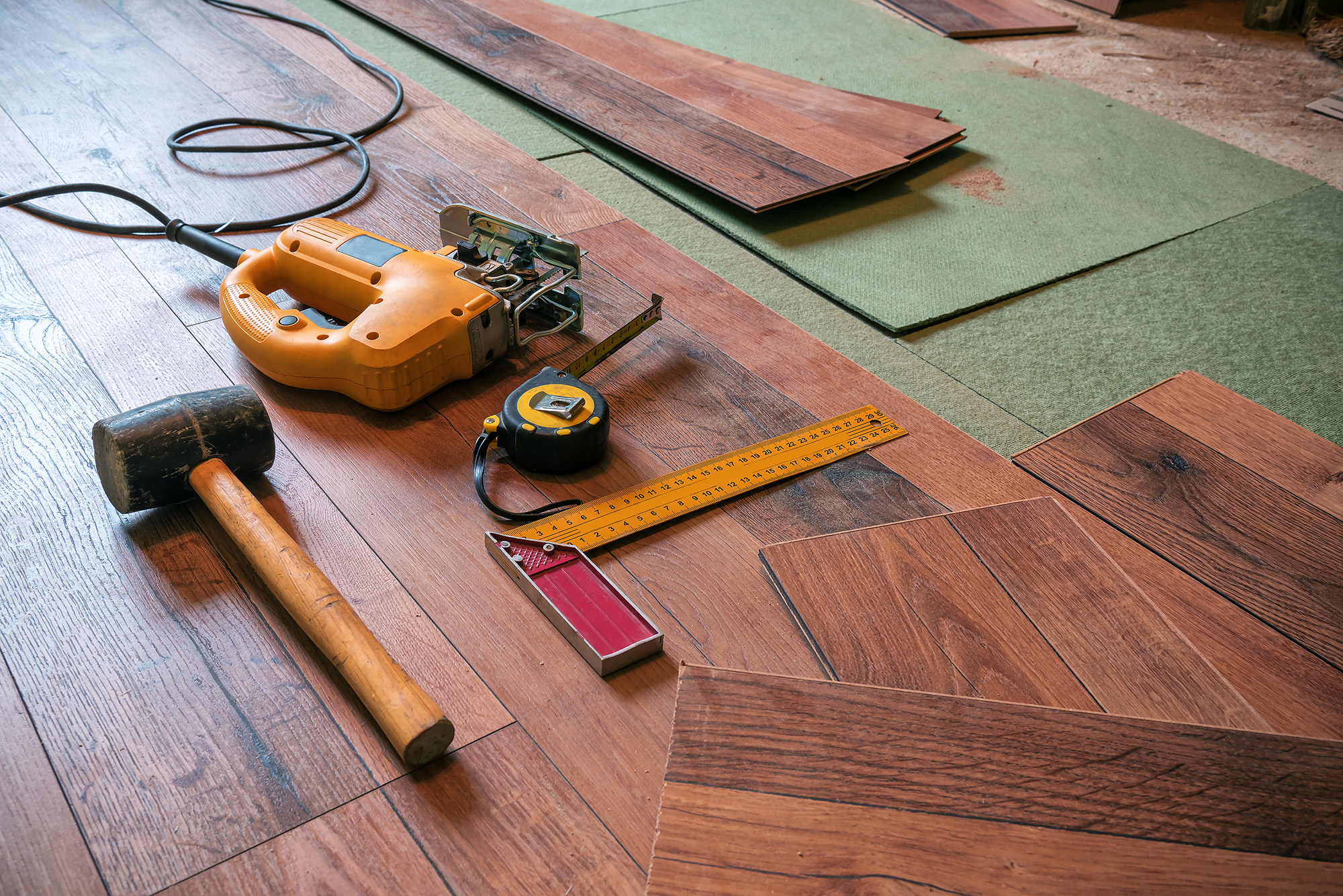
Installing new flooring in a Cincinnati home often starts with a major choice: picking between wide-plank hardwood, rich luxury vinyl plank, or sleek porcelain tile. The true success of any installation depends on what lies directly beneath the surface.
Subfloor preparation creates the structural foundation for your entire investment. Skipping or rushing this step leads to squeaky boards, cracked grout, buckled planks, and premature material wear.
Understanding how subfloors interact with local architecture and seasonal changes helps you get a floor that looks clean and lasts for decades.
Why Cincinnati Homes Need Specialized Subfloor Attention
Local weather and regional soil conditions create specific challenges for floors across the Tri-State area. Cincinnati experiences sharp seasonal swings, moving from freezing winter temperatures to heavy summer humidity.
This moisture movement directly affects subfloors in two major ways:
Basement Slab Dampness: Concrete basements and ground-level slabs absorb ground moisture. Without proper testing, surface grinding, and moisture-barrier installation, trapped dampness causes luxury vinyl to unglue or hardwood to cup and warp.
Seasonal Wood Expansion: Plywood and OSB subfloors expand and contract as indoor humidity shifts. Plywood panels must have correct gap spacing to prevent edges from peaking or rubbing together.
Foundation dynamics also vary across neighborhood architectural styles. Homes in historic urban core areas like Hyde Park or Oakley often feature original, settled subfloors with noticeable dips and slopes. Suburban builds in Montgomery, Mason, or Loveland might feature large concrete slabs that need mechanical leveling before laying continuous, open-concept flooring.
The Basic Steps of Proper Subfloor Prep
A clean, stable, and flat subfloor ensures smooth locking mechanisms on floating floors and strong adhesion for glued materials. Professional installers evaluate three primary factors before laying a single plank.
1. Cleaning and Stripping the Surface
Old carpet pad remnants, paint overspray, adhesive ridges, and drywall mud disrupt the subfloor plane. Installers scrape, sweep, and vacuum the area completely to ensure a clean surface.
2. Checking for Flatness and Level
Flatness and level are two distinct targets:
Level means parallel to the horizon.
Flat means smooth, without high spots or low dips.
Most modern rigid-core LVP and large-format tiles call for a subfloor variation of no more than 3/16 of an inch over a 10-foot radius. High spots need mechanical sanding or grinding. Low spots call for self-leveling underlayments or specialized patching compounds.
3. Securing Loose Boards and Subfloor Panels
Squeaks happen when subfloor panels rub against floor joists or underlying framing. Installers drive screws through loose wood panels directly into the joists to eliminate movement before placing underlayment.
Matching Subfloor Prep to Your Chosen Flooring
Different flooring materials have unique subfloor prep standards. Knowing these differences helps you plan your project budget accurately:
Luxury Vinyl Plank (LVP): Thin planks show every subfloor flaw through a process called telegraphing. Prep calls for patching all board seams, grinding down high spots, and sweeping away every grain of grit.
Solid & Engineered Hardwood: Wood planks absorb subfloor dampness quickly. Installers must test concrete and wood moisture levels before laying a moisture retarder or vapor barrier.
Porcelain & Ceramic Tile: Subfloor flex snaps grout lines and cracks tiles. Wood subfloors call for an uncoupling membrane or cement backer board to absorb structural movement.
Plush & Patterned Carpet: Old water damage weakens tack strips and rots wood. Installers must cut out and replace soft or water-damaged plywood sections before laying a new pad.
Get Local Guidance for Your Next Flooring Project
Taking time to evaluate and prep your subfloors prevents costly repairs down the road. Whether you plan to handle the work yourself or hire a professional crew, starting with a flat, dry foundation makes all the difference.
Bring your room dimensions and subfloor questions to the Bush Flooring Center team on Dana Avenue in Cincinnati, or contact us. You can explore options in our retail showroom or check out value-priced stock in our discount outlet warehouse to get your project moving in the right direction.


