

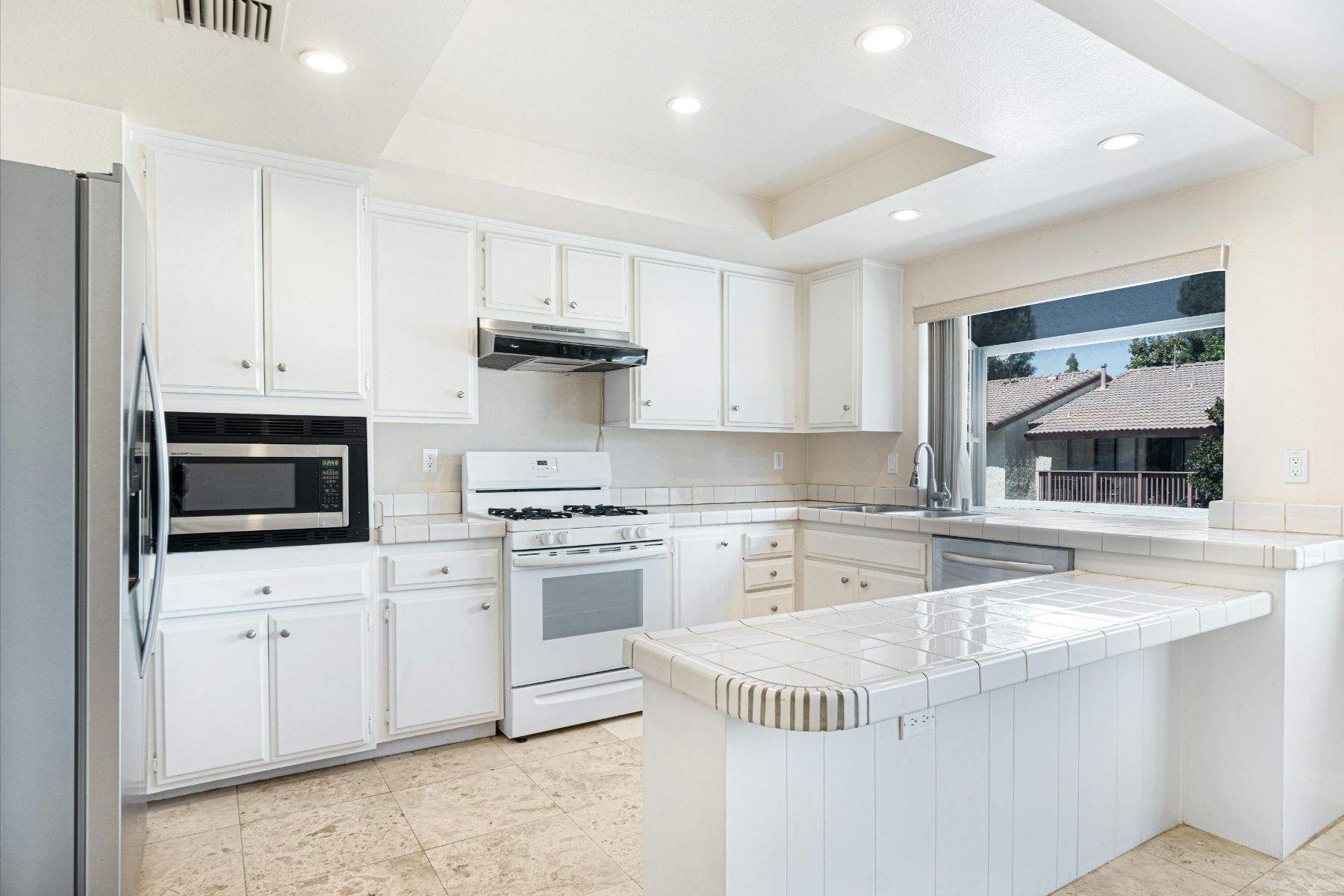
Choosing between natural stone tile and porcelain tile can feel overwhelming at first, especially when both options offer beauty and durability. Many homeowners find themselves comparing these two materials when planning a renovation. While they may look similar at a glance, they perform very differently in real-life settings.
At Bush Flooring Center, we have spent over 30 years helping homeowners navigate decisions like this. We believe in making the process simple and straightforward. When you walk into our showroom, our goal is to help you understand your options clearly so you can choose the right flooring for your home, your lifestyle, and your budget.
Let’s take a closer look at both options so you can make a confident decision.
What is natural stone tile?
Natural stone tile is a product that comes directly from the earth and is cut into usable pieces for flooring and surfaces. Because it is a natural material, every tile has its own unique appearance, which adds character and depth to a space.
Common types of natural stone tile include marble, granite, slate, travertine, and limestone. Each of these materials offers a different look, texture, and level of durability. Some stones are bold and dramatic, while others provide a softer, more subtle aesthetic.
Natural stone tile is often used in the following areas:
High-end kitchens and bathrooms where a luxurious feel is desired
Entryways that are designed to make a strong first impression
Outdoor spaces, such as patios, depending on the type of stone
Fireplace surrounds that act as a focal point in the home
Homeowners who choose natural stone tile are often drawn to its authenticity and timeless appeal.
What is porcelain tile?
Porcelain tile is a manufactured product that is made from refined clay and fired at extremely high temperatures. This process creates a dense and durable material that is highly resistant to moisture and wear.
Modern porcelain tile has come a long way in terms of design. It can replicate the look of natural stone, hardwood, and even concrete with impressive accuracy. This makes it a versatile option for homeowners who want a specific look without the added maintenance.
Porcelain tile is commonly used in:
Kitchens and bathrooms, where moisture resistance is important
Basements that require durable and stable flooring
High-traffic areas such as hallways and living spaces
Commercial environments that demand long-lasting performance
For many homeowners, porcelain tile offers the perfect balance of style and practicality.
How do natural stone and porcelain tile compare in durability?
Durability is one of the biggest factors to consider when choosing between these two materials.
Porcelain tile is extremely durable and is known for its ability to resist scratches, stains, and moisture. It performs exceptionally well in busy households and can handle heavy foot traffic without showing signs of wear.
Natural stone tile is also durable, but its performance depends on the type of stone you choose. Some stones, such as granite, are very hard and resistant to damage, while others, like marble or limestone, are softer and more prone to scratching and staining.
If your home has children, pets, or a lot of daily activity, porcelain tile is often the more practical option because it requires less worry and maintenance.
Which tile option is easier to maintain?
Maintenance is another key difference between natural stone and porcelain tile.
Porcelain tile is very easy to care for. Regular sweeping and occasional mopping are typically all that is needed to keep it looking clean and fresh. It does not require sealing and is resistant to most stains.
Natural stone tile requires more attention. Most types of stone need to be sealed periodically to protect against moisture and staining. Spills should be cleaned up quickly, and specific cleaning products may be needed to avoid damaging the surface.
While some homeowners enjoy the natural beauty of stone enough to take on the extra maintenance, others prefer the simplicity that porcelain tile provides.
Which tile looks better in your home?
The answer to this question depends on your personal style and the overall look you want to achieve.
Natural stone tile offers unmatched variation and depth. Each tile is unique, which creates a rich and organic appearance that cannot be fully replicated by manufactured materials. This makes it an excellent choice for homeowners who want a one-of-a-kind design.
Porcelain tile provides a more consistent and uniform look. Thanks to modern technology, it can closely mimic natural materials while maintaining a controlled and predictable pattern.
If you prefer a clean and consistent design, porcelain tile may be the better option. If you are drawn to natural variation and texture, natural stone tile may be the right choice for your home.
Where should you use natural stone vs. porcelain tile?
The location where the tile will be installed plays an important role in your decision.
Natural stone tile is best suited for:
Lower-traffic areas where wear and tear are less of a concern
Spaces where you want to create a high-end or luxurious feel
Certain outdoor applications, depending on the type of stone selected
Porcelain tile is ideal for:
Kitchens and bathrooms where moisture resistance is essential
Basements and laundry rooms that may experience humidity
High-traffic areas such as hallways and entryways
Homes where durability and ease of maintenance are priorities
In many Cincinnati homes, porcelain tile is often chosen for interior spaces because it performs well in changing conditions and requires minimal upkeep.
Which tile option is more budget-friendly?
Cost is always an important consideration when choosing flooring.
Porcelain tile is generally more affordable in terms of both material and installation. It also has lower long-term maintenance costs, which makes it a budget-friendly option for many homeowners.
Natural stone flooring typically comes with a higher upfront cost. Installation can also be more complex, which may increase labor expenses. In addition, ongoing maintenance such as sealing can add to the overall investment.
However, natural stone flooring can enhance the value and appeal of your home, which may make the investment worthwhile for some homeowners.
Contact our tile shop in Cincinnati, OH
Both natural stone tile and porcelain tile offer unique benefits, and the right choice ultimately depends on your priorities.
If you are looking for a durable, low-maintenance option that performs well in busy areas, porcelain tile is an excellent choice. If you prefer a natural, one-of-a-kind look and are willing to invest in maintenance, natural stone tile can bring unmatched beauty to your space.
If you are still unsure, get in touch with Bush's Flooring Center today. Our team is here to answer your questions, show you your options, and help you find the perfect flooring for your home. Our tile shop in Cincinnati, OH, proudly serves Cincinnati, Montgomery, Mason, and Loveland, OH.


