

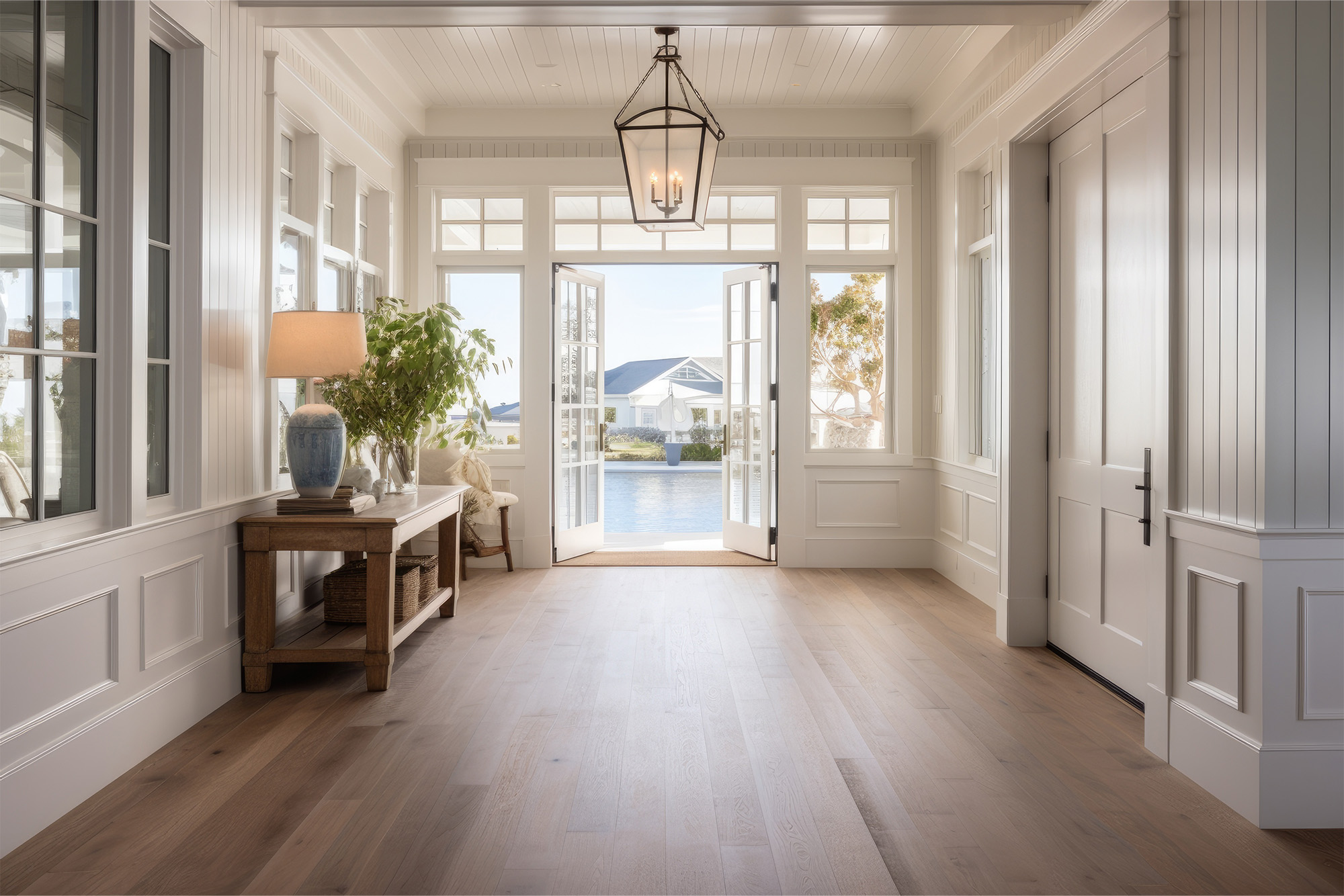
If the phrase "laminate flooring" immediately makes you think of hollow, shiny plastic planks that peel at the corners, no one can blame you. For decades, that reputation was entirely earned. The cheap laminate floors of the past looked fake, sounded clicky underfoot, and buckled the second an ice cube melted on the surface. But laminate flooring in 2026 is completely different. Manufacturing technology has caught up to homeowner demands, turning what used to be a budget compromise into one of the toughest, most realistic flooring options on the market.
Choosing the right floor for your home is an expensive decision, and you deserve a straight answer about what you are actually buying. If you are remodeling an active home in Montgomery or Loveland, you need to know if today's laminate can actually handle your dogs, your kids, and your daily life without ruining your budget. The short answer is yes, but you need to know what to look for before you buy.
The Shift to Total Realism
The biggest change you will notice when holding a modern laminate plank is the texture. Old floors were smooth and glossy, which made them look incredibly artificial under bright kitchen lights. Today, manufacturers use a process called embossed-in-register technology. Essentially, a heavy-duty press stamps a physical texture into the plank that aligns perfectly with the high-resolution wood grain photo underneath. When your foot hits a knot or a grain line in the print, you actually feel that exact shape in the material. It tricks the brain into thinking you are walking on authentic, wire-brushed hardwood, minus the heavy maintenance or the steep price tag.
Cutting Through the Waterproof Claims
Can you put laminate in a wet bathroom or a busy kitchen now? This is where a lot of marketing fluff can trip you up, so let's look at the actual physics of the material. Laminate is made from a core of high-density fiberboard, which is essentially compressed wood fibers. Wood absorbs water. If moisture seeps into the core, the floor swells and ruins.
To solve this problem, modern premium laminates use two smart upgrades:
Hydrophobic edge coatings: The interlocking joints are treated with water-repellent seals that stop liquids from slipping down between the seams.
Tighter locking systems: The planks click together with incredible force, holding surface spills on top of the floor for twenty-four to seventy-two hours so you have plenty of time to wipe them up.
A standard spill from a dropped dog bowl or a leaky dishwasher will not ruin a modern waterproof laminate floor. It handles daily kitchen life beautifully. However, it is still not a slab of solid plastic. A massive pipe burst that floods the entire room will still find its way underneath the floor, and if that fiberboard core stays submerged, it will eventually fail. For everyday spills, it is fantastic. For a basement that floods every spring, you should still look at rigid-core vinyl instead.
Extreme Scratch Resistance for Active Homes
If you have big dogs or young kids who love dragging heavy toys across the living room, laminate is actually tougher than solid hardwood. Hardwood is beautiful, but it is soft. Heavy dog claws scratch it. Dropped canned goods dent it. Laminate protects your investment with a clear top layer made of aluminum oxide, which is one of the hardest mineral compounds on earth.
When you are shopping around, you will see a rating system called the AC rating, which stands for Abrasion Class. It tells you exactly how much abuse the top layer can take before it wears through. To find the right fit for your home, use this quick breakdown:
AC1 and AC2: Skip these entirely. They are built for low-traffic spaces like a guest bedroom that sits empty most of the year.
AC3: The sweet spot for a busy home in Mason. It easily handles daily foot traffic, sliding dining chairs, and the general chaos of a family living room.
AC4: Heavy-duty residential grade. This rating is perfect if you have large, active dogs or want maximum protection in high-spill, high-wear zones like your kitchen.
AC5: Commercial grade. You generally do not need this in your home unless you are running a busy daycare or commercial space out of your house.
Sticking to an AC3 or AC4 rating means you get the look of a premium wood floor without having to panic every time your dog runs to the front door.
Where It Fits Best in Your Home
Laminate is an incredible tool for main-level living spaces, hallways, kitchens, and bedrooms. It gives you massive square-foot coverage for a fraction of the cost of real wood, leaving you room in your budget for other home upgrades. It is also highly fade-resistant, so if your living room gets blasted by afternoon sun through large windows, the color will stay consistent for years.
Just keep the installation limits in mind. It needs a perfectly flat subfloor, and it requires a high-quality underlayment to absorb sound so you do not get that hollow, clicky noise when walking in heels.
Get the Right Floor for Your Project
You do not have to spend a fortune on solid wood to get a durable, beautiful floor that makes your home feel whole. Laminate has grown up, and it deserves a spot on your short list if you want maximum durability for your money.
We have spent decades helping families across the greater Cincinnati Tri-State area separate marketing hype from real-world performance. We have what we would argue is the BEST installation staff in town, and we treat every project with complete honesty. Visit our Cincinnati showroom to run your hands over these new textures in person, test the scratch resistance yourself, and contact us to see how we can maximize your home's active spaces on a realistic budget.


