

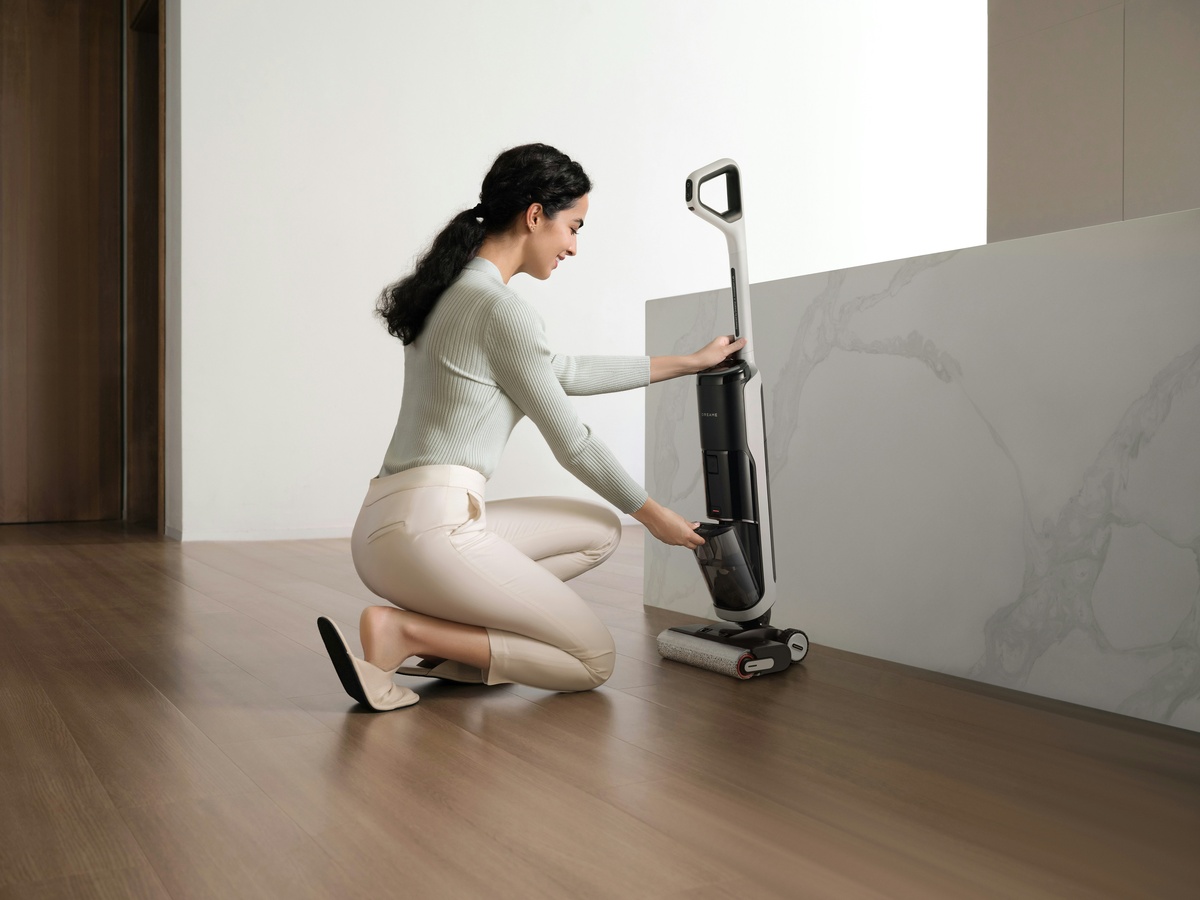
Hardwood flooring adds timeless beauty, warmth, and value to any home. Whether you have solid or engineered hardwood, proper maintenance is the key to preserving its appearance for years to come. Dirt, grit, moisture, and everyday traffic can gradually wear down the finish if they're left unchecked.
Fortunately, caring for hardwood floors doesn't require complicated routines. A few consistent cleaning habits and the right products can keep your floors looking their best. At Bush Flooring Center, we've helped homeowners throughout the Cincinnati area choose quality hardwood flooring for more than 30 years. We also believe that knowing how to care for your floors is just as important as choosing the right product.
What is the best way to clean hardwood floors?
Simple daily maintenance goes a long way toward extending the life of your hardwood flooring.
Dust, pet hair, and tiny bits of dirt can act like sandpaper underfoot, slowly scratching the finish over time. Preventing buildup is one of the easiest ways to protect your investment.
A few daily habits include:
Sweep with a soft-bristle broom.
Dust with a microfiber mop.
Vacuum using a hardwood floor attachment instead of a rotating beater bar.
Wipe up spills as soon as they happen.
These quick tasks help reduce wear and keep your hardwood looking clean between deeper cleanings.
How often should hardwood floors be mopped?
Unlike tile or vinyl flooring, hardwood doesn't need frequent wet mopping. In fact, excess moisture is one of wood flooring's biggest enemies.
Instead, use a lightly damp microfiber mop only when your floors need more than a quick sweep or dusting. Always use a cleaner specifically formulated for hardwood flooring and follow the manufacturer's recommendations.
For most homes, regular dry cleaning combined with occasional damp mopping is enough to maintain a beautiful finish.
Which cleaning products are safe for hardwood flooring?
Using the wrong cleaner can leave behind residue or even damage your floor's protective finish.
Choose cleaning products designed specifically for hardwood floors, and avoid harsh chemicals or excessive moisture.
Avoid using:
Bleach
Ammonia
Steam cleaners
Abrasive scrub brushes
Oil soaps, unless recommended by the manufacturer
Large amounts of water
In many cases, a hardwood floor cleaner, microfiber mop, and soft cloth are all you need for routine maintenance.
How do you prevent scratches on hardwood floors?
Keeping hardwood clean is important, but preventing damage is equally valuable.
Everyday activities like moving furniture, pet traffic, or wearing certain shoes can create unnecessary scratches. Fortunately, a few preventative measures can make a noticeable difference.
To protect your floors:
Add felt pads beneath furniture legs.
Lift furniture instead of dragging it.
Keep pet nails trimmed.
Avoid wearing cleats or high heels indoors.
Place mats at entryways to capture dirt.
Use runners in busy hallways.
These simple precautions help preserve your floor's finish and reduce long-term wear.
How should you handle spills and stains on hardwood?
Spills are inevitable, but quick action can prevent lasting damage.
Blot liquids immediately using a soft, absorbent cloth instead of allowing moisture to soak into the wood. Avoid saturating the area with water while cleaning.
For stubborn spots, use a hardwood-approved cleaner and gently wipe the surface with a microfiber cloth. Never use abrasive pads or harsh chemicals that could damage the finish.
If stains penetrate below the surface or water has caused discoloration, professional repair or refinishing may be the best solution.
Should you use rugs on hardwood floors?
Yes. Area rugs provide an extra layer of protection while adding comfort and style throughout your home.
They're especially useful in high-traffic areas, including:
Entryways
Hallways
Dining rooms
Living rooms
Kitchen work areas
Always choose rug pads designed for hardwood flooring. Breathable, non-staining pads help prevent scratches without trapping moisture or discoloring the finish.
How does humidity affect hardwood flooring?
Because wood is a natural material, it responds to seasonal humidity changes.
During dry winter months, boards may shrink slightly, creating small gaps. In humid weather, they naturally expand. This movement is expected, but excessive changes can cause problems over time.
Help maintain stable conditions by:
Keeping indoor humidity between 35% and 55%.
Using a humidifier during dry seasons.
Running air conditioning or a dehumidifier during humid months.
Maintaining consistent indoor temperatures.
Proper humidity control helps minimize expansion, contraction, and unnecessary stress on your flooring.
When should hardwood floors be professionally refinished?
Even well-maintained hardwood flooring eventually shows signs of age.
If regular cleaning no longer restores your floors or you notice widespread scratches, dull areas, fading, or worn finishes, it may be time for professional maintenance.
Depending on the floor's condition, professionals may recommend screening and recoating or complete refinishing. Individual damaged boards can often be repaired without replacing the entire floor, helping restore its beauty while extending its lifespan.
Your trusted experts on hardwood floors in Cincinnati, OH
Routine maintenance is the best way to protect your hardwood flooring for years to come.
Regular sweeping, occasional damp mopping, prompt spill cleanup, and proper humidity control all help preserve your floor's natural beauty. If you're shopping for new hardwood flooring or have questions about caring for your existing floors, visit Bush Flooring Center. From our showroom in Cincinnati, OH, we serve Cincinnati, Montgomery, Mason, and Loveland, OH. Get in touch with us today!


